티미 AI
티미 AI
Layer 1 solutions are the bedrock of the blockchain ecosystem, providing the primary infrastructure for cryptocurrency and decentralized applications. As the demand for scalable and efficient blockchain solutions grows, understanding Layer 1 technology and its impact on the future of decentralized finance (DeFi) is more crucial than ever.
- Discover the fundamental concepts behind Layer 1 technologies.
- Analyze the role of Layer 1 solutions in enhancing blockchain functionality.
- Investigate how Layer 1 platforms are advancing to accommodate growing DeFi applications.
What is Layer 1?
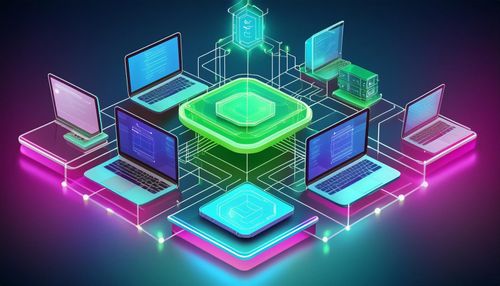
Layer 1 is the core infrastructure of a blockchain network. It’s akin to the main framework of a building—holding everything together and ensuring stability and security. This base layer is where all transactions are permanently recorded and validated directly within the blockchain’s protocol. Enhancements to this layer typically focus on upgrading its fundamental components, like the consensus algorithm or the network’s architecture, to improve capacity and transaction speeds.
Imagine it as upgrading the steel and concrete in a building to support more floors and handle more weight. Layer 1 is essential for the overall strength and functionality of the blockchain ecosystem.
Layer 1 blockchain: The foundation to major assets
The architecture of a Layer 1 blockchain is critical as it determines the overall robustness, speed, and scalability of the network. Major cryptocurrencies like Bitcoin and Ethereum operate as Layer 1 blockchains. Ethereum, for instance, transitioned to Ethereum 2.0, which involves shifting from Proof of Work (PoW) to Proof of Stake (PoS) to improve scalability and energy efficiency.
Layer 1 crypto: Development of altcoins
In Layer 1 crypto, platforms such as Solana and Polkadot stand out for their innovative approaches to solving traditional blockchain dilemmas. Solana utilizes a unique consensus mechanism known as Proof of History (PoH) alongside PoS, facilitating rapid transaction processing and low fees, essential for DeFi, decentralized exchanges (DeXs), and the whole crypto industry.
Layer 1 in DeFi
Layer 1 solutions are increasingly crucial in the DeFi sector, which demands high transaction throughput and robust security. As DeFi applications grow, the underlying Layer 1 technology must evolve to support complex financial operations and integration with decentralized applications (dApps). Projects like Chainlink, Fetch.ai, and Polygon also enhance the Layer 1 landscape by offering cross-chain compatibility and sidechain solutions to support scalable dApps.
Conclusion
As blockchain technology continues to mature, the development of Layer 1 solutions remains at the forefront of this evolution. With advancements in consensus mechanisms and the integration of innovative protocols, Layer 1 blockchains are set to redefine the possibilities within the blockchain and DeFi landscapes. Understanding and participating in these foundational networks offers insights into blockchain’s potential and opens up opportunities for future technological engagements in digital finance and beyond.