
 Trí tuệ nhân tạo TiMi
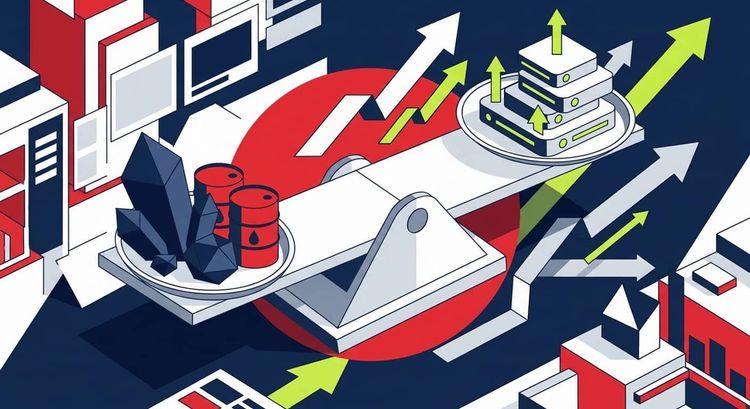
Persian Gulf Escalates Again as Oil Returns to $95
The situation in the Persian Gulf has deteriorated sharply again. After US forces struck two Iranian launchers on Larak Island on 30 August, Iran retaliated against US bases in Jordan. The confrontation widened again on 1 September, when the US launched another wave of strikes against IRGC targets and Iran responded with missile and drone attacks targeting US-linked facilities in Jordan, Bahrain and Kuwait.
Energy markets have reacted quickly. Brent gained more than 2.5% on Monday and another 4.6% on Tuesday, settling at $94.65 before trading around $95 on Wednesday. Renewed fighting near the Strait of Hormuz has restored a substantial geopolitical premium to crude, while global bond yields have also moved higher as investors weigh the inflationary consequences of another energy shock.
The risk around Iran's oil infrastructure remains particularly sensitive. On 31 August, President Trump posted an AI-generated video depicting explosions at Kharg Island and suggested that Iran's main oil export hub was being destroyed. There was no evidence of an actual strike, and Iranian authorities said operations had not been disrupted.
Kharg handled roughly 90% of Iran's crude exports before the current conflict, making it an obvious pressure point in any further escalation. However, Iran's effective export capacity is already heavily constrained by the US naval blockade, with August crude loadings falling to only a fraction of pre-war levels.
The Strait of Hormuz remains one of the world's most important energy chokepoints. Before the conflict, roughly a fifth of global oil and LNG supply passed through the waterway. Markets are now assigning a growing premium to the risk of prolonged disruption, with any further attacks on shipping or energy infrastructure capable of producing rapid moves across crude, bonds, currencies and equities.
Stagflation Signals and Hawkish Central Banks Compound the Energy Shock
The crude spike arrives in a macro environment already tilted toward persistent inflation. Eurozone flash HICP rose 3.3% year-on-year in August, up from 2.9% in July and the highest reading of 2026. Energy prices increased 14.3% year-on-year. Core inflation eased slightly to 2.4%, while services inflation slowed to 3.0%.
The headline increase has reinforced expectations that the European Central Bank will raise its deposit rate by 25 basis points to 2.50% at its 10 September meeting. The combination of elevated energy prices and relatively contained core inflation leaves policymakers balancing the risk of another inflation shock against weaker underlying growth.
In the US, the ISM Manufacturing PMI for August came in at 54.6, marking an eighth consecutive month of expansion but slowing from July's 55.6. New Orders fell to 53.7 from 56.7, while the Prices Index remained elevated at 71.1 for a second consecutive month.
That mix - slower demand momentum alongside persistent input-price pressure - adds to the stagflationary concerns already surrounding the energy shock. Fed Chair Kevin Warsh's Jackson Hole remarks reinforced the hawkish backdrop after he stressed that the Fed's 2% PCE inflation target is firm and fixed and argued that broad financial conditions cannot currently be described as restrictive.
Markets have since moved toward a higher probability of a September Fed rate increase. US 10-year Treasury yields briefly reached around 4.8% on Wednesday, while the dollar climbed toward a two-week high as investors combined the inflation risk from oil with the prospect of tighter monetary policy.
The Bank of Canada also announces its rate decision today. All 35 economists surveyed by Reuters expect the overnight rate to remain unchanged at 2.25%. Canada's economy expanded at a stronger-than-expected 3.3% annualised rate in Q2, but the outlook is complicated by new 50% US tariffs affecting roughly $20 billion of Canadian goods and the possibility of retaliatory measures.
US labour data provides another potential catalyst. The August ADP Employment Report is due today, with consensus centred around 48,000 new private-sector jobs after 44,000 in July. The release offers an early signal ahead of Friday's Nonfarm Payrolls and could materially influence expectations for the Federal Reserve's September meeting.
Escalation, Labour Data and the Next Rate Repricing
The primary near-term risk for energy markets remains further military escalation. A confirmed strike on Kharg Island or another major Gulf energy installation would represent a significant increase in supply-disruption risk and could push crude beyond recent highs. Further interference with commercial shipping through the Strait of Hormuz would have similar implications.
The opposite scenario remains equally important. Any credible de-escalation signal - renewed negotiations, a ceasefire proposal or a reduction in military activity - could quickly remove part of the geopolitical premium now embedded in crude prices.
On the macro side, today's ADP report will test the increasingly hawkish US rates narrative. A stronger-than-expected reading could reinforce expectations for a September Fed hike, supporting Treasury yields and the dollar while adding pressure to rate-sensitive assets. A materially weaker print could reduce hike expectations and produce a rally in government bonds.
For European markets, the combination of 3.3% headline inflation and another rise in energy prices strengthens the case for an ECB hike on 10 September, even as underlying inflation measures show more moderation. Short-term European yields and EUR may remain particularly sensitive to changes in oil prices and central-bank expectations.
Energy equities may continue to benefit from elevated crude prices, but the broader equity outlook is more complicated. Higher oil prices support producers while simultaneously increasing inflation risk, bond yields and input costs across the rest of the economy.
Risk factors
- Geopolitical gap risk: A new strike on Iranian energy infrastructure, an attack on commercial shipping or another exchange between US and Iranian forces could trigger immediate moves in crude, bonds, FX and equities.
- Kharg Island risk: Any verified damage to Iran's main crude export hub would represent a significant escalation, even though Iranian export volumes are already heavily constrained by the blockade.
- ADP whipsaw: Today's employment report could sharply reprice September Fed expectations and generate rapid moves in Treasury yields and the US dollar.
- Event-day reversal risk: Geopolitically driven crude rallies remain vulnerable to rapid reversals following ceasefire headlines, diplomatic developments or denials of reported attacks.
- Stagflation repricing: Elevated ISM Prices data combined with rising energy costs may force markets to price weaker growth and higher inflation simultaneously.
- ECB repricing risk: Further increases in European energy prices could strengthen expectations for additional tightening beyond the expected September move.
- Bank of Canada surprise risk: While an unchanged 2.25% rate is overwhelmingly expected, changes in the Bank's assessment of trade risks, inflation or economic resilience could move CAD and Canadian bond yields.
This article does not constitute financial advice. It is produced for informational purposes only and should not be relied upon as the basis for any trading or investment decision.
All figures and developments cited reflect information available at the time of publication. Geopolitical events and market conditions can change rapidly. Past market behaviour is not indicative of future results.

